Hovhannes Tumanyan
1869–1923
Armenia's national poet, born in Dsegh. His house there is a museum; his tales (Anush, Gikor, The Dog and the Cat) are set in these villages.
Read more on WikipediaA borderland between Armenia and Georgia for most of its history, Lori collected kingdoms, monasteries, miners and dissenters. Here is the short version — each step links to the long one.
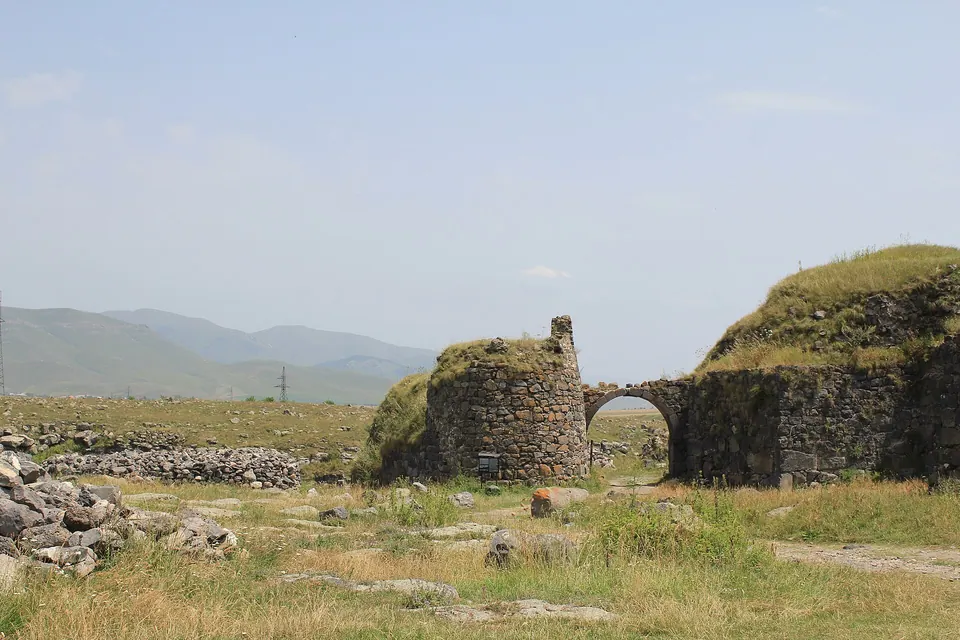
Cyclopean walls and kurgan burials on the Lori plateau and above the Debed show the area was settled long before Christianity. Finds from the Lori Berd burial ground are among the richest in northern Armenia.
In the kingdoms of Armenia this was Gugark (Gogarene), a frontier province ruled by a hereditary bdeashkh (march-lord) and often contested with neighbouring Iberia (eastern Georgia). The frontier character never quite left.
A branch of the Bagratid dynasty founded the Kingdom of Tashir-Dzoraget in the 970s. Its queen Khosrovanuysh and her sons founded Sanahin and Haghpat, which grew into centres of learning, manuscript copying and music.
Haghpat MonasterySanahin Monastery Wikipedia: Kingdom of Lori
King David Anhoghin built the fortress-town of Lori on the spur between the Dzoraget and Urut gorges and made it the capital — the name of the whole province comes from here.
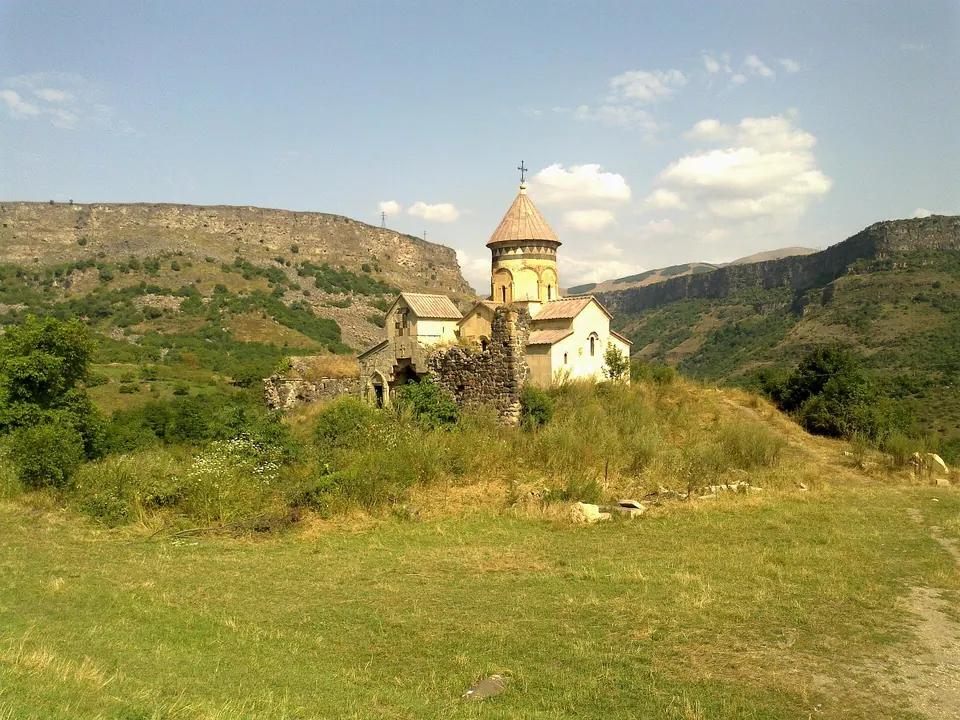
After Georgian kings took Lori in the early 12th century, the Armenian Zakarid princes ruled it under the Georgian crown. It was a building boom: gavits, bell towers and libraries at Haghpat and Sanahin, frescoes at Akhtala and Kobayr, new churches at Odzun and Horomayr.
Akhtala MonasteryKobayr Monastery Wikipedia: Zakarid Armenia
Mongol armies took Lori and the region's fortresses in the 1230s. The monasteries survived, and some kept building, but the town of Lori never recovered its old role.
Greek miners invited from Anatolia reopened the copper and silver mines at Alaverdi and Akhtala. Mining has shaped the canyon ever since: the Alaverdi smelter still sits in the gorge below Sanahin.
Lori passed to the Russian Empire with eastern Georgia in 1801. Molokans — Russian religious dissenters — were resettled here and built the wooden-house villages of Fioletovo and Lermontovo; Karaklis (today's Vanadzor) grew as a garrison and railway town. The poet Hovhannes Tumanyan was born in Dsegh in 1869.
After the empire collapsed, Armenia and Georgia fought a short war over Lori in December 1918. A British-supervised neutral zone followed; in 1921 the Soviet authorities assigned most of Lori to Armenia.
Karaklis became Kirovakan, a chemical-industry city; Jalaloghly became Stepanavan, after the revolutionary Stepan Shahumyan. Sanahin gave the world the Mikoyan brothers — one a Politburo member, the other the designer of the MiG fighter.
A magnitude 6.8 earthquake destroyed Spitak and badly damaged Vanadzor, Gyumri and dozens of villages; around 25,000 people died. Spitak was rebuilt on a new site, with help from many countries. The memorial on the hill above the town is worth the stop.
Independent Armenia created Lori marz in 1995, with Vanadzor as its capital. Tourism now follows the monasteries, the Transcaucasian Trail and the guesthouses of the canyon villages.
1869–1923
Armenia's national poet, born in Dsegh. His house there is a museum; his tales (Anush, Gikor, The Dog and the Cat) are set in these villages.
Read more on Wikipedia1712–1795
The great troubadour of the Caucasus, who sang in Armenian, Georgian and Azerbaijani, spent years as a monk at Haghpat.
Read more on Wikipedia20th century
Brothers from Sanahin: a long-serving Soviet statesman and the co-founder of the MiG aircraft bureau. Their museum stands in the village.
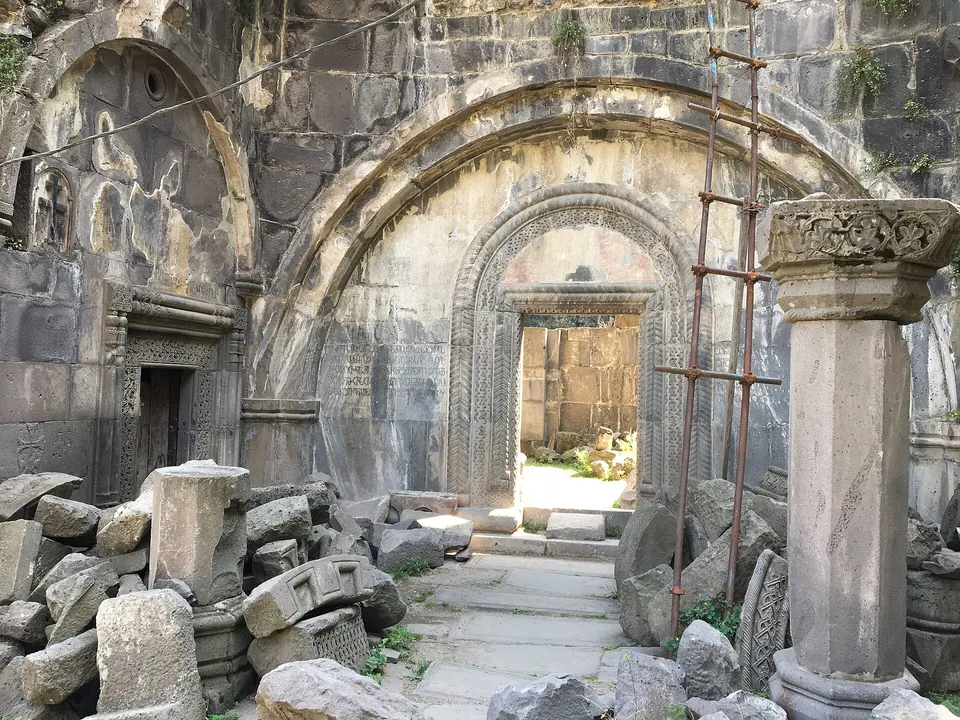
Read more on WikipediaLori's monasteries follow a pattern. A main church with a dome on a drum; in front of it a gavit — a big square hall, often added a century later, whose intersecting arches you'll see at Haghpat and Sanahin; then a bell tower, a library or refectory, and a field of khachkars. Look at the walls for donor inscriptions and at the floors for gravestones — people asked to be buried where they would be walked on, as a sign of humility.
Most are working churches. Cover shoulders, keep voices low, and light a candle if you like (there is usually a small box for coins).
| vank | վանք | monastery |
|---|---|---|
| zhamatun / gavit | ժամատուն / գավիթ | the big entrance hall in front of a church, used for meetings and burials |
| khachkar | խաչքար | a carved cross-stone, unique to Armenian art |
| berd | բերդ | fortress |
| jur | ջուր | water |
| get | գետ | river |
| dzor | ձոր | gorge |
| sar | սար | mountain |
English or հայերեն. Answers come only from this guide.
Monasteries, hikes, where to sleep, how long the drive is — ask anything about Lori.
Հարցրեք Լոռու մասին՝ վանքեր, արշավներ, գիշերակաց, ճանապարհի տևողություն։
Answers can be incomplete. Check opening hours and phone numbers on the place page.